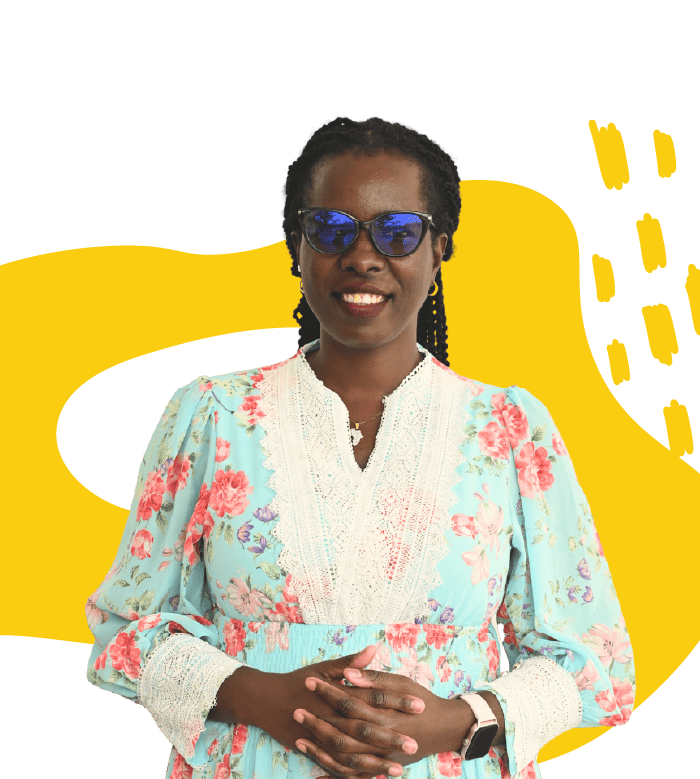
2026 Interns

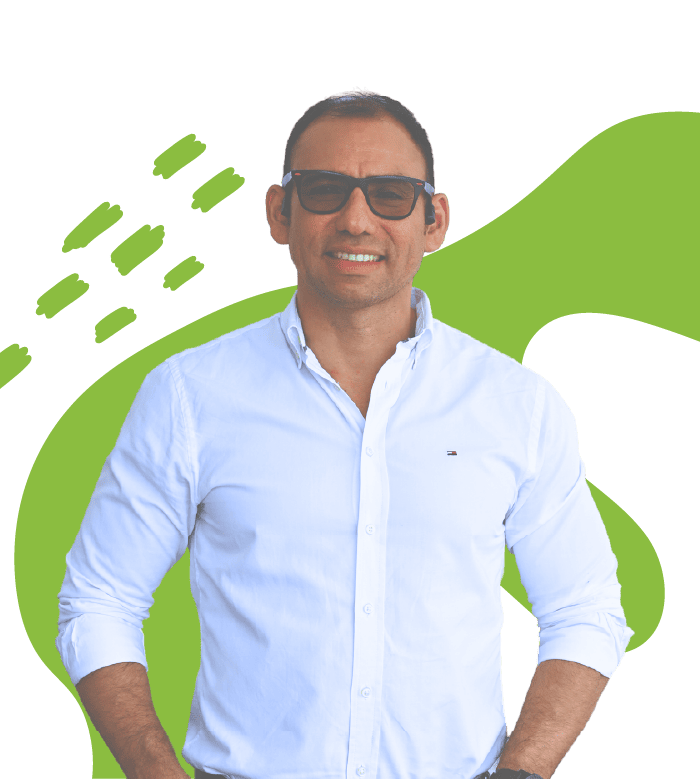
Jose Luis  Contreras Santos

Senior Research Associate

University of Cordoba (Colombia)

Colombia

”Understanding soils through science and technology is essential to building more sustainable, resilient, and low-carbon agricultural systems”
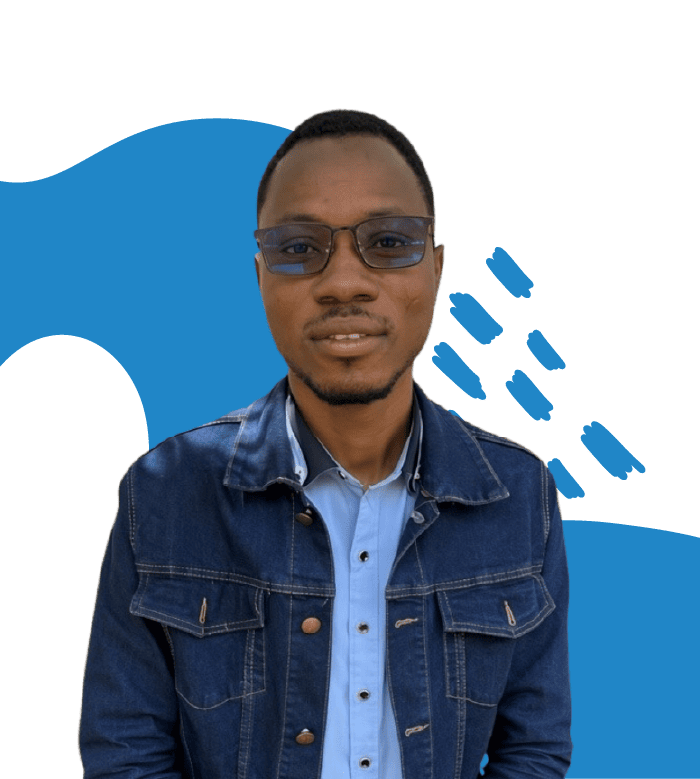
Achille Sawadogo

PhD Researcher in Climate change and Land Use

Kwame Nkrumah University of science and Technology (Ghana)

Burkina Faso

“Soil is where agriculture, climate change and resilience meet”
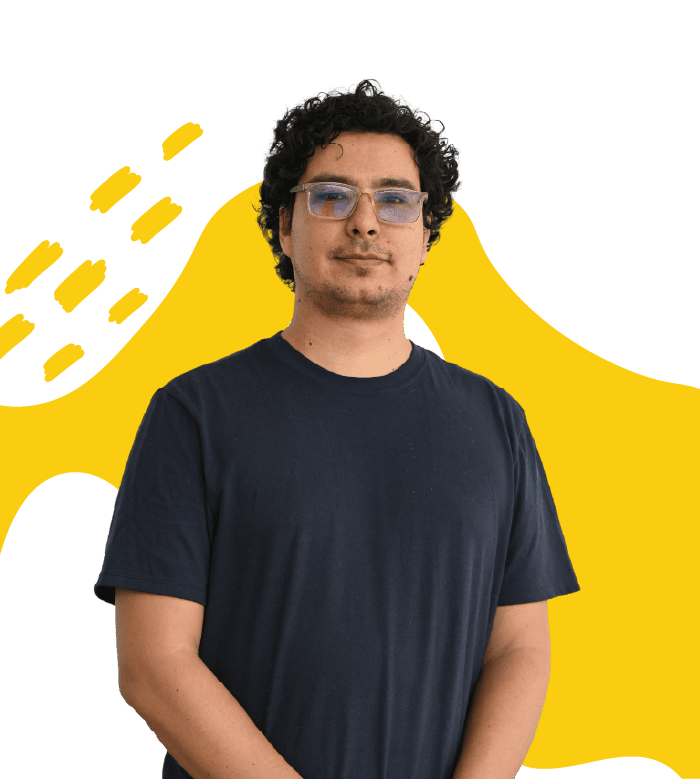
Luis Felipe Castelblanco Rivera

Agronomist, MSc Earth Sciences

National Autonomous University of Mexico

Colombia

Knowing and caring for our soils to sustain the future

Abbie Akinyi Allela

Marine Scientist, MSc. Marine and Lacustrine Science and Management

Egerton University

Kenya

“’Editing the future of crops-one gene at a time for a climate resilient world.”
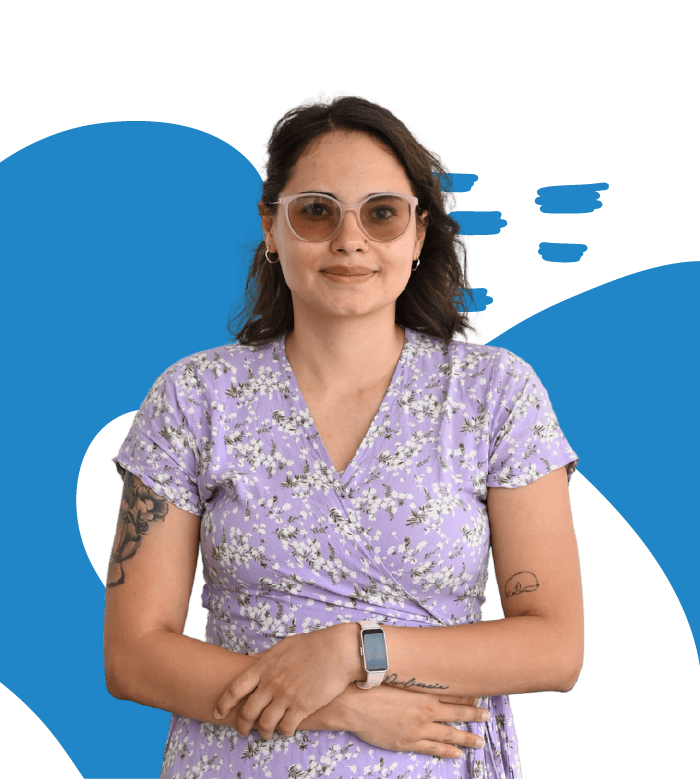
Silvia Fernanda Silva Velandia

Biologist, M.Sc. Microbiology

University of Saskatchewan

Canada University of Saskatchewan

“Science begins with curiosity, and curiosity belongs to everyone.”
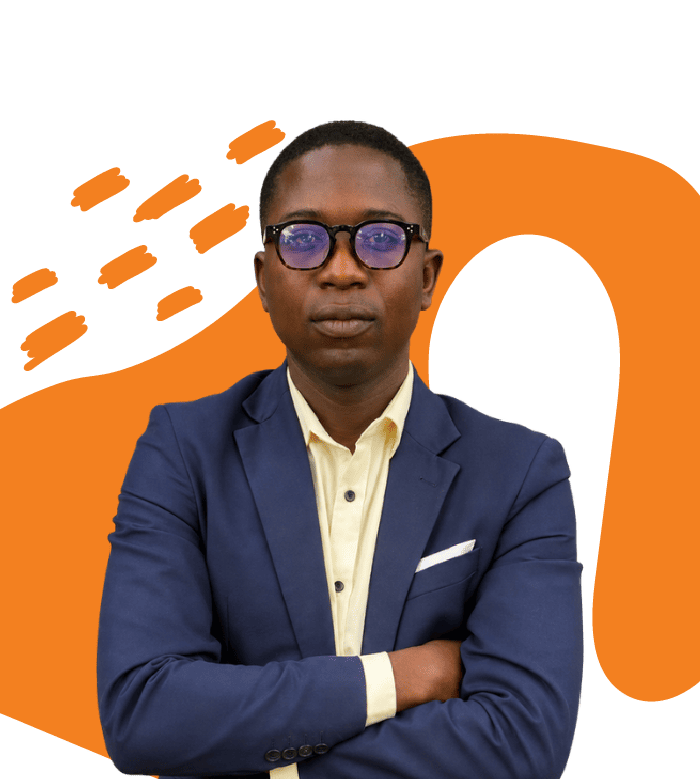
Bernus Zinsou Djigbe

PhD Researcher in Agricultural Sciences

University of Parakou, Benin

Benin

“Building resilient agriculture means working with nature to improve productivity, restore soils, and sustain farmers’ livelihoods.”
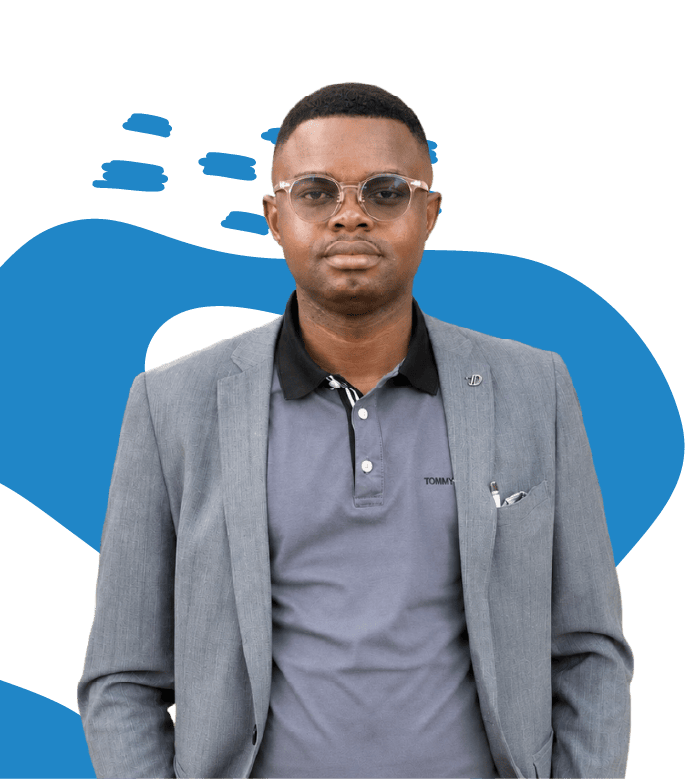
Jeancy Ntuka Luta

Agronomist / Soil Scientist / Researcher

University of Kinshasa (UNIKIN)

Democratic Republic of the Congo

“Every step in soil research brings us closer to healthier soils, resilient agriculture, and a climate-smart future”
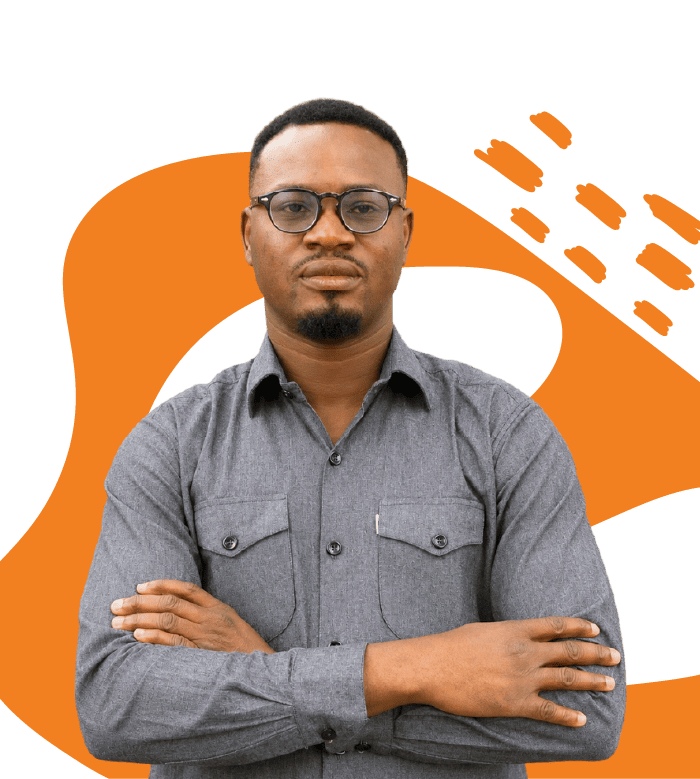
Séverin Biaou

Agronomist

University of Parakou, Faculty of Agronomy

Benin

”Advancing science to restore ecosystems, strengthen carbon sequestration, and build climate-resilient landscapes”
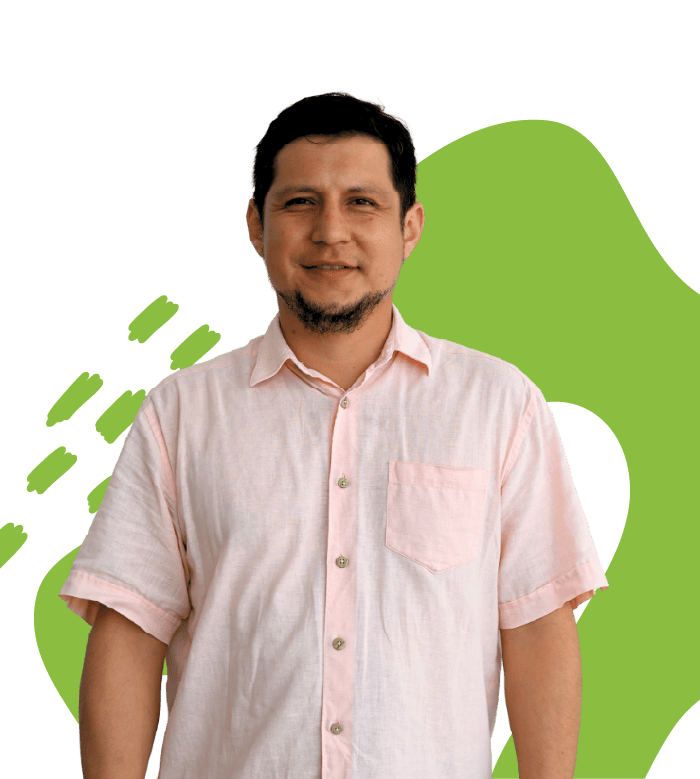
Mario Alberto Santiago Ortega

Agronomist Engineer specializing in Zootechnics

Autonomous University of Yucatán

Mexico

“Scientific evidence guides us to make better decisions as humanity, to care for the Earth and improve livelihoods.”
LOGO CIAT BEZOS

Contact

Alliance of Bioversity International and CIAT

Latin American Hub

Palmira – Colombia

Address: Km 17 Recta Cali-Palmira

Phone: (+57) 6024450000

Jose Luis Contreras Santos

Senior Research Associate

University of Cordoba (Colombia)

Colombia

José Luis Contreras Santos is an Agricultural Engineer, holds an M.Sc. in Agronomic Sciences with an emphasis on Soil Science, and is a PhD candidate in Agricultural Sciences at the University of Córdoba, Colombia. His research experience focuses on the assessment of soil physical, chemical, and biological properties in agricultural, livestock, silvopastoral, agroforestry, and forestry systems, together with soil conservation and sustainable management strategies.

His doctoral research addresses the estimation and monitoring of soil organic carbon through the integration of Vis–NIR spectroscopy, remote sensing, and machine-learning techniques. His work seeks to develop robust and scalable tools to improve digital soil carbon mapping, understand its spatial variability, and support management strategies aimed at carbon sequestration and greenhouse gas mitigation. His scientific interests center on integrating field observations, spectroscopic techniques, and geospatial information to contribute to more sustainable and climate-resilient agricultural systems.

Achille Sawadogo

PhD Researcher in Climate change and Land Use

Kwame Nkrumah University of science and Technology (Ghana)

Burkina Faso

Achille Sawadogo is an Agronomist and PhD Researcher in Climate Change and Land Use, with a background in agroecology, soil science, plant nutrition, and sustainable agricultural systems. He holds an MSc in Sustainable Development Engineering, specializing in Agroecology, and is currently pursuing doctoral research under the West African Science Service Centre on Climate Change and Adapted Land Use (WASCAL) Graduate Research Programme, within the Climate Change and Land Use programme.

His PhD research focuses on modelling the climate mitigation potential of Sustainable Agricultural Land Management (SALM) through soil organic carbon (SOC) sequestration in the semi-arid zone of Burkina Faso. His work integrates field observations, process-based modelling, remote sensing, hybrid upscaling, and Monitoring, Reporting and Verification (MRV) approaches to improve the quantification of SOC dynamics and climate mitigation potential. His previous research experience includes soil fertility management, nutrient-use efficiency, field experimentation, crop productivity, and agro-economic assessment, including research on NPK supergranules, deep fertilizer placement, and organic fertilizer management. He will undertake a four-month Visiting Research stay at Alliance Bioversity & CIAT in Kenya to strengthen his expertise in modelling, spatial analysis, and sustainable land management.

Luis Felipe Castelblanco Rivera

Agronomist, MSc Earth Sciences

National Autonomous University of Mexico

Colombia

Knowing and caring for our soils to sustain the future // Conocer y cuidar nuestros suelos para sostener el futuro.

Luis Felipe Castelblanco Rivera is an Agricultural Engineer from the National University of Colombia, with a specialization in Geographic Information Systems from the UNIGIS program at the University of Salzburg, Austria, and a master's degree and ongoing PhD in Earth Sciences at UNAM. His professional and academic career has focused on the intersection of environmental research, spatial analysis, and sustainable development in rural territories.

He has participated in research and development projects with vulnerable communities in Colombia and Mexico, as well as initiatives related to agricultural systems, greenhouse gas monitoring, deforestation, forests, and soil carbon. His current PhD research focuses on mapping the carbon sequestration potential of agricultural soils using mid-infrared spectroscopy and machine learning algorithms. This research aims to integrate spectroscopic techniques, spatial information, and predictive modeling to improve the estimation and understanding of soil organic carbon and its potential for climate change mitigation.

Abbie Akinyi Allela

Marine Scientist, MSc. Marine and Lacustrine Science and Management

Egerton University

Kenya

Abbie Akinyi Allela is the founding Director of Blue Eco Associates. Previously, she was an Ocean Governance Assistant with UNEP, where she assisted with the overall technical and coordination needs related to the implementation of the Strategic Action Plan for the Agreement on Biodiversity in Areas Beyond National Jurisdiction. Prior to that, she was a Programme Assistant with the Secretariat of the IOC's Sub-Commission for Africa and the Adjacent Island States.

She is an active marine scientist with a keen interest in research and empirical studies focused on sustainable, integrated natural resources management. Her work across these roles has helped her build competencies in marine science, forestry, biodiversity conservation, and climate action in Kenya and beyond. Abbie holds a Master of Science in Marine and Lacustrine Science (jointly offered by the Universities of Ghent, Antwerp, and the Free University of Brussels, Belgium) and a Bachelor of Science in Natural Resources Management from Egerton University in Kenya, where she is currently a PhD candidate. During her fellowship with Alliance Bioversity & CIAT, she will contribute to editing plant genomes, primarily in rice, using CRISPR-Cas9, with the aim of improving this crop's resilience to climate change.

Silvia Fernanda Silva Velandia

Biologist, M.Sc. Microbiology

University of Saskatchewan

Canada University of Saskatchewan

Silvia Fernanda Silva Velandia is currently pursuing a PhD in Soil Sciences at the University of Saskatchewan. She holds a B.Sc. in Biology and an M.Sc. in Microbiology from the Universidad Nacional de Colombia. Throughout her career, she has gained experience as a laboratory analyst in phytopathology, soil microbiology, and quality control for plant biostimulants and biocontrol products.

Her M.Sc. research focused on the effect of fungal inoculation in alleviating plant salinity stress, which further strengthened her interest in plant physiology, plant-microbe interactions, and soil microbiology — areas that continue to drive her research today. As a PhD student, she is investigating the fate of plant-derived carbon in different soil pools and evaluating how contrasting root architectures in canola, field pea, and lentil lines influence soil carbon dynamics. During her internship at Alliance Bioversity & CIAT, she will contribute to the study of root architecture and root anatomy of selected rice cultivars.

Bernus Zinsou Djigbe

PhD Researcher in Agricultural Sciences

University of Parakou, Benin

Benin

Bernus Zinsou Djigbe is a PhD researcher in Agricultural Sciences at the University of Parakou, Benin, with research interests in agroecology, soil fertility, climate resilience, and sustainable farming systems. His doctoral research examines how integrating crops, livestock, and trees can improve nutrient cycling, soil health, agricultural productivity, and the resilience of smallholder farming systems in West Africa. His work combines field experiments, farmer-based assessments, soil and microbial analyses, and quantitative approaches to generate evidence for sustainable agricultural practices.

He is particularly interested in integrated crop-livestock-tree systems, soil carbon sequestration, nutrient management, biodiversity conservation, and agroecological transitions. During his fellowship at Alliance Bioversity & CIAT in Nairobi, Kenya, he is contributing to research on sustainable land management, greenhouse gas dynamics, and carbon sequestration in African farming systems. His broader goal is to contribute scientific evidence and practical solutions that support productive, climate-resilient, and environmentally sustainable agriculture while improving smallholder farmers' livelihoods in Africa.

Jeancy Ntuka Luta

Biologist

Universidad Nacional de Colombia

Colombia

Jeancy Ntuka Luta is an agronomist and soil scientist from the Democratic Republic of the Congo and a PhD student in Soil Science at the Faculty of Agricultural Science and Environment, University of Kinshasa. His research focuses on soil fertility, soil health, sustainable agriculture, and soil organic carbon dynamics in tropical agroecosystems. He has experience in soil characterization, laboratory analysis, agricultural experimentation, biochar, soil acidity management, nutrient management, and the restoration of degraded soils.

His scientific interest is increasingly centered on understanding how plant-soil interactions, root systems, and sustainable management practices can enhance soil carbon storage while maintaining agricultural productivity and resilience. During his internship with Alliance Bioversity & CIAT in Nairobi, he will investigate the potential of deep-rooted tropical forage systems to contribute to soil carbon sequestration, with particular attention to the distribution and stabilization of soil organic carbon across the soil profile. He is particularly interested in combining field sampling, laboratory characterization of SOC fractions such as POM and MAOM, and quantitative analysis to better understand carbon dynamics in tropical soils. His long-term goal is to contribute to climate-smart, sustainable agricultural systems that restore soil health and support food security.

Séverin Biaou

Master of Philosophy (M.Phil.) in Ciencia del Suelo

University of Kinshasa

D.R. Congo

Séverin Biaou is a Beninese researcher specializing in land management and climate change mitigation. He holds Bachelor's and Master's degrees in Natural Resources Management from the University of Parakou (Benin) and is pursuing his PhD at the same institution. His research focuses on the effects of land-use change on landscape functioning and carbon sequestration, integrating remote sensing and geospatial analysis to support sustainable land management.

He also contributes to academic development in Benin as a research assistant at the Faculty of Agronomy, University of Parakou, where he works on landscape ecology and geospatial applications. He has authored several peer-reviewed scientific publications and presented his work at international conferences. His research excellence has been recognized through competitive awards, including the OSFACO Scholarship (2017), the IDEA WILD Small Equipment Grant (2021), the AGNES-BAYER Research Grant for Biodiversity Conservation and Sustainable Agriculture in Sub-Saharan Africa (2023), and Rufford Small Grants (2023 and 2026). Séverin is committed to advancing nature-based climate solutions through interdisciplinary research and evidence-based strategies for enhancing carbon sequestration and ecosystem resilience. He is currently a Alliance Bioversity & CIAT Carbon Sequestration Fellow, integrating remote sensing and GIS to advance livestock systems mapping, feed basket assessment, and performance characterization.

Mario Alberto Santiago Ortega

Agronomist Engineer specializing in Zootechnics

Autonomous University of Yucatán

Mexico

Mario Alberto Santiago Ortega is an Agronomist Engineer specializing in Zootechnics from the Chapingo Autonomous University and holds a Master of Science in Genetic Resources and Livestock Productivity from the Postgraduate College in Mexico. He is currently a doctoral student at the Autonomous University of Yucatán, Mexico, where his research focuses on evaluating the effect of grazing intensity and frequency on carbon accumulation, soil physical indicators, forage production, and beef cattle performance. In parallel, he serves as a Technical Specialist at the Tantakin-FIRA Technological Development Center, where he coordinates production and research units and collaborates with livestock farmers to promote the adoption of sustainable cattle-ranching practices. His work focuses on improving the efficiency of natural resource use on livestock farms and mitigating environmental impact, integrating scientific research with technology transfer and outreach on grazing management, silvopastoral systems, soil health, and the economic analysis of beef production systems. He is currently an active member of the Trinational Roundtable for Sustainable Livestock of the Maya Forest.